EU Publishers Criticize Digital Omnibus for GDPR Consent Challenges
European publishers have expressed strong concerns over the Digital Omnibus proposal released by the European Union on November 19. The legislation aimed to simplify the complex data privacy rules governing digital tracking and consent but has fallen short of publishers’ expectations. Instead of easing the regulatory burden, the new rules have added layers of complexity, making it more difficult for publishers to manage consumer consent and sustain their ad-funded business models.
A key feature of the Digital Omnibus is the introduction of browser-level consent settings, allowing users to set their tracking preferences once in their browser or device. This change means that if users opt out of tracking at the browser level, their choice will apply across all websites, potentially leading to a significant drop in consent rates. Industry experts warn that this could result in up to 75% of users rejecting targeted ads, which would disproportionately benefit large tech companies with closed ecosystems that do not rely on cookie consent.
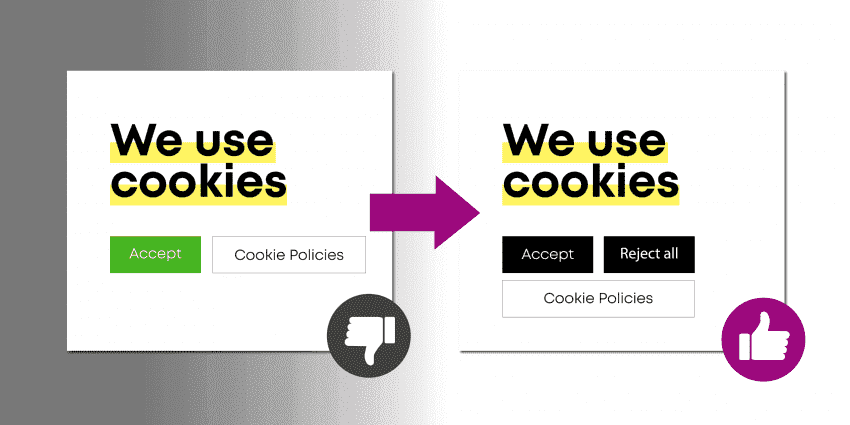
The Omnibus also proposes a one-click consent or reject-all option to simplify user experience and reduce the complexity of consent management. However, publishers fear this may further reduce consent rates and complicate the use of essential tracking for purposes such as audience measurement and fraud detection. The consent requirements remain largely unchanged, merely shifting from the ePrivacy Directive to the GDPR framework, with additional obligations like the mandatory reject-all button and limits on how often users can be asked for consent.
Overall, the Digital Omnibus fails to provide meaningful relief to publishers struggling under the current data protection regime. While the intention was to streamline consent management, the practical effect is an increase in legal uncertainty and operational challenges. Publishers remain concerned that the new rules will favor big tech companies with vast logged-in user bases, leaving open web publishers at a disadvantage in accessing and monetizing user data.