Ireland’s DPC Calls for Greater Transparency in AI Development
Ireland’s DPC says AI developers must improve GDPR transparency, clarify lawful training practices, and protect individuals’ rights as agentic AI expands.


Ireland’s DPC says AI developers must improve GDPR transparency, clarify lawful training practices, and protect individuals’ rights as agentic AI expands.

A report on OpenAI’s Project Lily raises GDPR questions about human review of ChatGPT conversations, anonymization, transparency, lawful processing, and user privacy.

Norway is considering stricter smart-glasses rules, including a possible ban on public facial recognition, amid growing GDPR and covert-recording concerns.

The Dutch data protection authority fined Uber €824.99 million for automatically deactivating drivers without human review and failing to provide adequate GDPR information.

The EDPB questions the impact of the U.S. Supreme Court ruling on FTC independence and the EU-U.S. Data Privacy Framework’s validity and calls for European Commission review.

Italy fines Telecom Italia €9.5 million for illegal telemarketing using spoofed calls and mandates strict reforms under GDPR enforcement.

The CNIL’s new guidance clarifies GDPR compliance for connected vehicle data, focusing on geolocation, stakeholder roles, legal bases, and cybersecurity in the EU automotive sector.

The EDPB calls for legal clarity on cross-regulatory information sharing and stronger cooperation to improve GDPR enforcement amid rising complaints and AI challenges.
EDPB and AMLA will prepare guidance on GDPR-compliant AML information-sharing partnerships before Article 75 AMLR applies in July 2027.
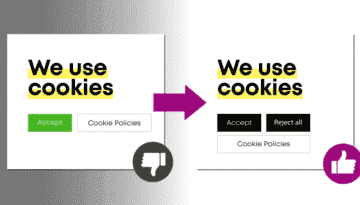
The EDPB ruled that a GDPR complaint about cookie banners must be assessed on its merits, rejecting claims of abuse of rights by the complainant.

Meta’s new AI image tool uses public Instagram photos by default, raising GDPR concerns; users must opt out or switch to private to protect their images.

The Dutch government approved Google Cloud for public sector use after a DPIA, but future depends on the stability of the EU-U.S. Data Privacy Framework amid legal challenges.