More than half App Store privacy labels false in small-scale spot checks
spot-checks by the Washington Post found that more than half the apps they reviewed were either misleading or completely false


spot-checks by the Washington Post found that more than half the apps they reviewed were either misleading or completely false
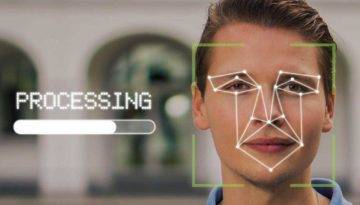
The emergence of free, powerful, and easy-to-use deepfake applications has given rise to a new, viable attack vector.
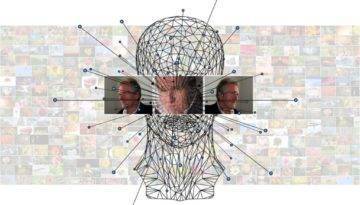
More than a dozen cities have passed facial recognition bans in the past couple of years, but police say there are loopholes.

Representatives from the European Commission and U.K. government discuss the state of U.K. adequacy in the wake of Brexit.

On January 12, 2021, the German Ministry for the Economy and Energy released a new draft Law on Data Protection and the Protection of Privacy in Telecommunications and Telemedia (TTDSG).

Faces of the Riot used open source software to detect, extract, and deduplicate every face from the 827 videos taken from the insurrection on January 6.

Researchers have developed a new tool that can collect information from electronic health records without disclosing sensitive patient information.

Tests show advertisers can expect at least 95% of conversions per dollar spent on ads, compared to cookie-based advertising, Google said.
The Italian data privacy watchdog ordered video app TikTok on Friday to block the accounts of any users in Italy whose age it could not verify following the death of a 10-year-old girl who had been using the Chinese-owned app.

Four European apps which secure user data via end-to-end encryption, ProtonMail, Threema, Tresorit and Tutanota, have issued a joint-statement warning over recent moves by EU institutions that they say are setting lawmakers on a dangerous path to backdooring encryption.
Facebook-owned messaging app WhatsApp could be fined up to €50 million over violations of the European Union’s data protection rules.
The person selling access to the service claims it has data on 500 million Facebook users.