With AirTags, Apple Just Proved That Tracking and Privacy Aren’t Mutually Exclusive
Apple finally introduced AirTags and seems solved the problam of secure trancking and privacy.


Apple finally introduced AirTags and seems solved the problam of secure trancking and privacy.

Belgian Constitutional Court annulled the framework set forth by the Law of 29 May 2016 requiring telecommunications providers to retain electronic communications data in bulk.
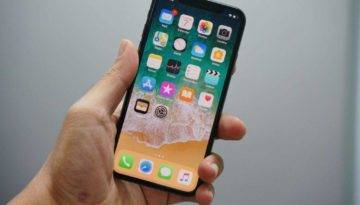
. In addition to asking for a copy of an ID, telecoms will now be required to collect people’s fingerprints, faceprints, and home addresses.

Several U.S. banks have started deploying camera software that can analyze customer preferences, monitor workers and spot people sleeping near ATMs, even as they remain wary about possible backlash over increased surveillance.

Facebook has repeatedly allowed world leaders and politicians to use its platform to deceive the public or harass opponents despite being alerted to evidence of the wrongdoing.

The Baden-Wuerttemberg Labour Court of Appeals has clarified the requirements for an entitlement to immaterial damages in cases of a violation of the General Data Protection Regulation (GDPR).

Smartphones will be included in the scope of a planned “security by design” U.K. law aimed at beefing up the security of consumer devices.

The Council of State rules that the existing threat to national security currently justifies the generalized retention of data.
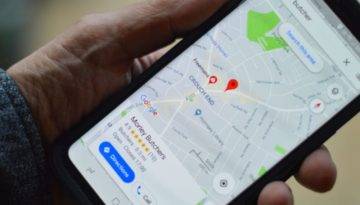
The sweeping bill has support from both Democrats and Republicans, and will address multiple forms of surveillance.

The bill gives Floridians the right to know what information companies have collected about them, the right to delete and correct that information, the right to opt-out of the sale or sharing of their personal information and…

Former children’s commissioner for England launches case against video-sharing app.

Biden Administration took a significant step in announcing sanctions against the Russian Government and private Russian entities for multiple internationally-destabilizing activities.