FBI used facial recognition to identify a Capitol rioter from Instagram posts
Facial recognition is helping the feds track down Capitol suspects

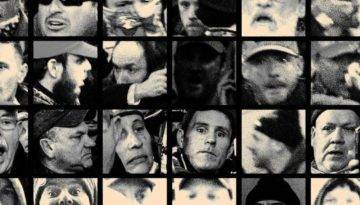
Facial recognition is helping the feds track down Capitol suspects
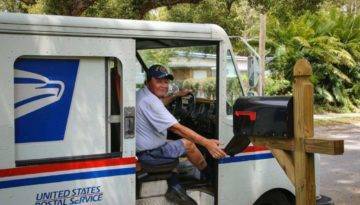
The law enforcement arm of the U.S. Postal Service has been quietly running a program that tracks and collects Americans’ social media posts, including those about planned protests.

The proposal would treat Americans’ personal data with the same caution as powerful weaponry, using export-control laws to block its sale to countries marked as potential security threats.

The Washington state House of Representatives failed to advance the Washington Privacy Act Sunday, its last day to pass the bill this session, but its fate is not yet set in stone.
European lawmakers say company’s surveillance practices ‘poses an issue’ for joint approach to artificial intelligence.
Smart-home devices like thermostats and fridges may be too smart for comfort – especially in a country with few laws preventing the sale of digital data to third parties.

By law, the government can’t monitor domestic Internet traffic. Hackers suspected of being Russian exploited this blind spot by disguising their origins and working through unwitting U.S. companies.
Unlike GDPR or CCPA, the moves Google and Apple are about to make will cause immediate shockwaves the day they are implemented.
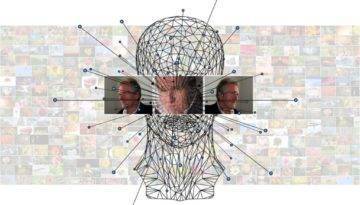
The proposed system uses a reliable form of facial biometric identification but would need to control for variables like weather and low light.

The Privacy and Civil Liberties Oversight Board released its report on Executive Order 12333, which provides broad legal authority for data collection.
A planned Biden administration executive order will require many software vendors to notify their federal government customers when the companies have a cybersecurity breach.
Google’s real-time bidding system violates users’ privacy by disseminating their personal data with “thousands” of outside companies, two web users allege in a new lawsuit against the company.