This Agency Wants to Figure Out Exactly How Much You Trust AI
The National Institute of Standards and Technology wants to put a number on a person’s trust in artificial intelligence.


The National Institute of Standards and Technology wants to put a number on a person’s trust in artificial intelligence.
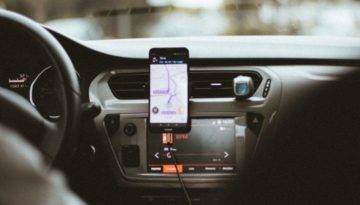
Alfi announced a deal to give Uber and Lyft drivers 10,000 digital tablets equipped with cameras that will display ads, catalogue information about riders, and track their reactions to content.

After a probe began in January, the tech giant is addressing concerns about third-party cookie removal in Chrome.

Wickr is a popular encrypted messaging platform used by journalists, criminals, governments, and businesses.

The proliferation of tracking devices — particularly the type of popular gadgets being sold to help you find your belongings, such as your wallet, keys or luggage — have led to an increase in fears of stalking

Brave Software, the company behind the Brave browser, has launched the first version of its eponymously named search engine, which the company claims it does not track users, their searches, or their clicks.

IBM is developing tools that would ensure online advertising algorithms do not unfairly show ads to only specific groups such as mostly men or wealthy people, aiming to address discrimination concerns that have drawn industrywide scrutiny.

The Premise app pays users, many in the developing world, to do tasks like taking photos and completing surveys for clients including the U.S. military.

The managers are accused of selling tech to Libya and Egypt that was used to identify activists, read private messages, and kidnap, torture, or kill them.

Apple boss Tim Cook took aim on Wednesday at proposed European rules aimed at curbing the power of U.S. tech giants, saying they could pose security and privacy risks to iPhones.

Analysis of 20,000 mobile apps that ask for sensitive information shows that some track users across different platforms Nine out of 10 mobile health apps collect and track user data, according to a new global study.

Peloton bikes are vulnerable to malware attacks that could enable creeps to spy on riders through their webcams, according to a report.