Is the Cookie Web Tracker Dying?
The internet’s original data collection tool is still ubiquitous, even as the web moves away from it


The internet’s original data collection tool is still ubiquitous, even as the web moves away from it

Three top Dutch laboratories have been working together with Chinese scientists to develop sensitive DNA techniques for years.

Social media companies could face hefty fines if they don’t publish detailed information on political ad buyers, according to an EU internal document.
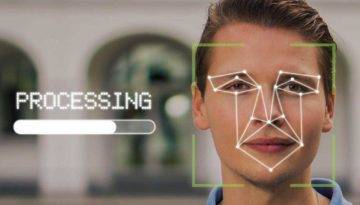
The UK’s Metropolitan Police Service has been authorised to buy and use retrospective facial recognition technology.

Big tech now encourages us to monitor everything via smartphones and watches. How much privacy have we lost to the promise of self improvement – and is it time to stop?

Self-harm monitoring systems are an unproven technique for effectively identifying and assisting students who may be considering self-harm simply based on their online activities.

Regulators have doubts that promises of consent-based data collection by digital publishers and advertisers is based on genuine user consent.

Many virtual private network services that were meant to protect your web browsing can no longer be trusted. Here are other ways.

To combat discrimination and ensure the right to privacy, MEPs demand strong safeguards when artificial intelligence tools are used in law enforcement.

If your marketing team’s attention is focused on finding a direct replacement for third-party cookies and digital IDs, you are fighting the wrong battle.

Fully autonomous vehicles might never come to much, but most privacy issues they raise are as salient today as they would be in any high-tech driverless future.

These spyware apps record your conversations, location and everything you type, all while camouflaged as a calculator or calendar.