Norway Considers Ban on Facial Recognition in Smart Glasses
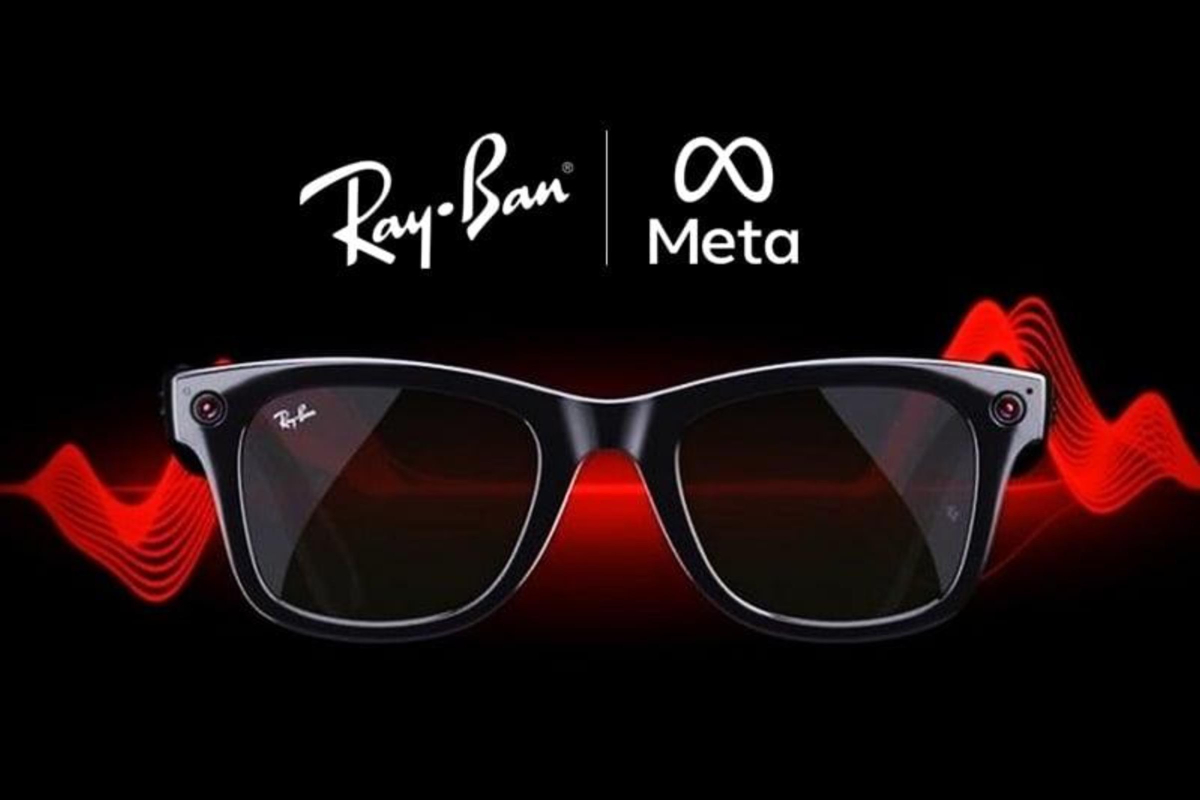
Norway is preparing to examine stricter rules for smart glasses and similar connected devices because of growing concerns about privacy and covert surveillance. The devices can take photos and record video, make phone calls, play music, translate foreign-language signs, display information, and connect users to artificial intelligence assistants.
Norwegian Digitalisation Minister Karianne Tung said new technology was placing increasing pressure on people’s private lives. She indicated that future rules could prohibit features such as facial recognition of other people in public places. The government is expected to appoint an expert group to advise on how consumers can receive stronger protection.
The proposal reflects wider concerns under European data protection law, including the General Data Protection Regulation (GDPR). Facial images may constitute personal data, and identifying a person through biometric data can involve particularly strict legal requirements. The legality of recording people in public also depends on factors such as the purpose of the recording, transparency, consent, and whether the activity is necessary and proportionate.
Minister Tung also warned that artificial intelligence is increasingly being combined with cameras and microphones built into everyday products, including glasses, earbuds, and caps. She said both public authorities and businesses should consider adopting their own safeguards while lawmakers assess whether additional legislation is needed.
The Norwegian Consumer Council welcomed the government’s proposal. Its head of digital policy, Finn Lutzow-Holm Myrstad, called on retailers to pause sales of smart glasses until the legal position becomes clearer. He also referred to reports that Meta has developed facial-recognition technology that could be added to its smart glasses.
A legal ban on facial-recognition functions would not eliminate every privacy risk. People could still use smart glasses to record others without their knowledge, particularly where the device gives little visible indication that recording is taking place. Stronger rules may therefore need to address not only facial recognition, but also transparency notices, recording indicators, data storage, sharing, security, and accountability.