Army Wants to Automate Base Access With Facial Recognition
The proposed system uses a reliable form of facial biometric identification but would need to control for variables like weather and low light.

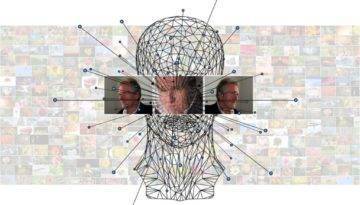
The proposed system uses a reliable form of facial biometric identification but would need to control for variables like weather and low light.
Apple started rejecting app updates on Thursday that conflict with its App Tracking Tracking Transparency (ATT) framework.

The real reason behind machine-to-machine (M2M) communication, or telematics in new cars is to more precisely assess risk.

The Privacy and Civil Liberties Oversight Board released its report on Executive Order 12333, which provides broad legal authority for data collection.
A threat actor has published the phone numbers and account details for an estimated 533 million Facebook users —about a fifth of the entire social network’s user pool— on a publicly accessible cybercrime forum.
End-to-end encryption could be challenged with security agencies enabled to monitor user messages.
Apple’s new guidelines prohibit manufacturing partners from collecting biometric data such as fingerprints or facial scans of Apple employees who visit their facilities.

The ad industry continues to roll out new protocols around online data and consumer privacy. LoopMe surveyed consumers to find out if they’re really aware of the changes, and what they thought.

A planned Biden administration executive order will require many software vendors to notify their federal government customers when the companies have a cybersecurity breach.

Google’s Pixel and Apple’s iPhone both in privacy hot seat for siphoning mobile device data without consent.

MEPs have said that “a lack of political will and resources” had resulted in a laggard approach to enforcement of the EU’s general data protection regulation (GDPR).

Hotel booking site Booking.com got hit with a €475,000 fine for being late to report a data breach, the company’s lead EU privacy regulator announced Wednesday.