Dutch Retailers Suspend Meta Smart Glass Sales Over Privacy Concerns
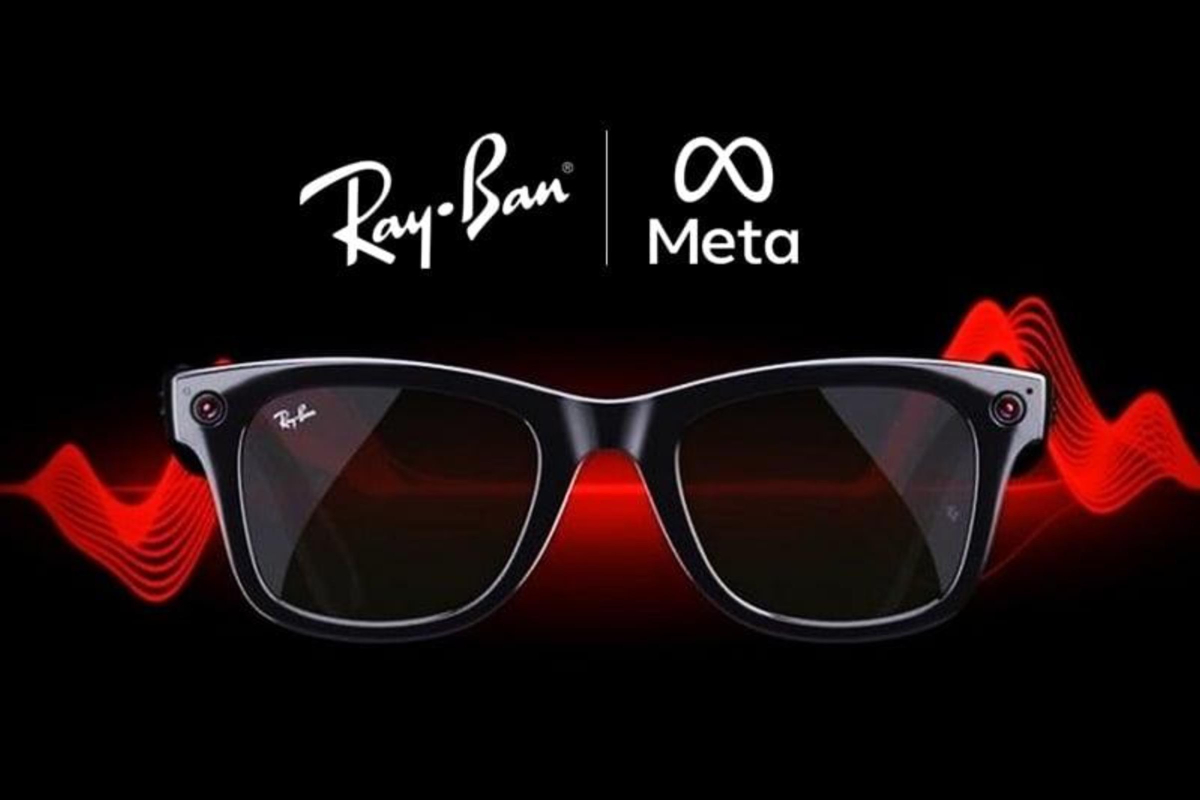
Hans Anders, one of the largest eyewear chains in the Netherlands, has stopped selling Meta’s Ray-Ban smart glasses in the Netherlands and Belgium. The company said privacy concerns and the continuing public debate about camera-equipped glasses were the main reasons for the decision. Dutch online retailer Wehkamp has also paused sales, according to Business Insider.
A spokesperson for Hans Anders said the decision followed questions about how smart glasses should be used and under what conditions they comply with privacy expectations. Nexeye, the parent company of Hans Anders and a business owned by private equity firm KKR, said it would wait for the debate to develop before deciding whether to resume sales.
The Dutch reaction intensified after a report by newspaper AD described cases in which people, particularly women, were allegedly filmed in public without their knowledge. The Dutch Data Protection Authority, known as the AP, recently warned that users generally cannot share videos showing identifiable people without a valid legal basis or permission. The regulator is also considering whether additional measures are needed for camera-equipped glasses.
Consumer organization Consumentenbond has threatened legal action against Meta unless the glasses meet Dutch and European privacy requirements. During a test, the organization used a sticker to hide the recording light from the front while allowing light to enter from the side. It said this bypassed Meta’s recent safety update, which is designed to stop recording when the indicator light is covered.
Meta maintains that its camera-equipped glasses include a bright flashing light that indicates when recording is taking place. The company says users cannot disable the light and that the camera stops working if the indicator is covered or altered. Meta also said the glasses remain popular and that it plans to continue expanding their styles and features.
The Dutch government has not indicated that it intends to impose an immediate ban. The state secretary for justice told parliament that the AP had received six reports and one complaint concerning the glasses. The government is waiting for guidance from the European Data Protection Board, which is expected to issue a report later in 2026.
The discussion also extends beyond the Netherlands. Norway plans to introduce a temporary ban on AI glasses in certain public places, while prosecutors in Paris have opened a criminal investigation into the use of smart glasses to film women. Under the GDPR, the legality of recording and sharing footage will depend on factors such as consent, legitimate interest, transparency, purpose, and whether individuals can be identified.