
Cate Blanchett Launches EU Tool to Control AI Use of Personal Likeness
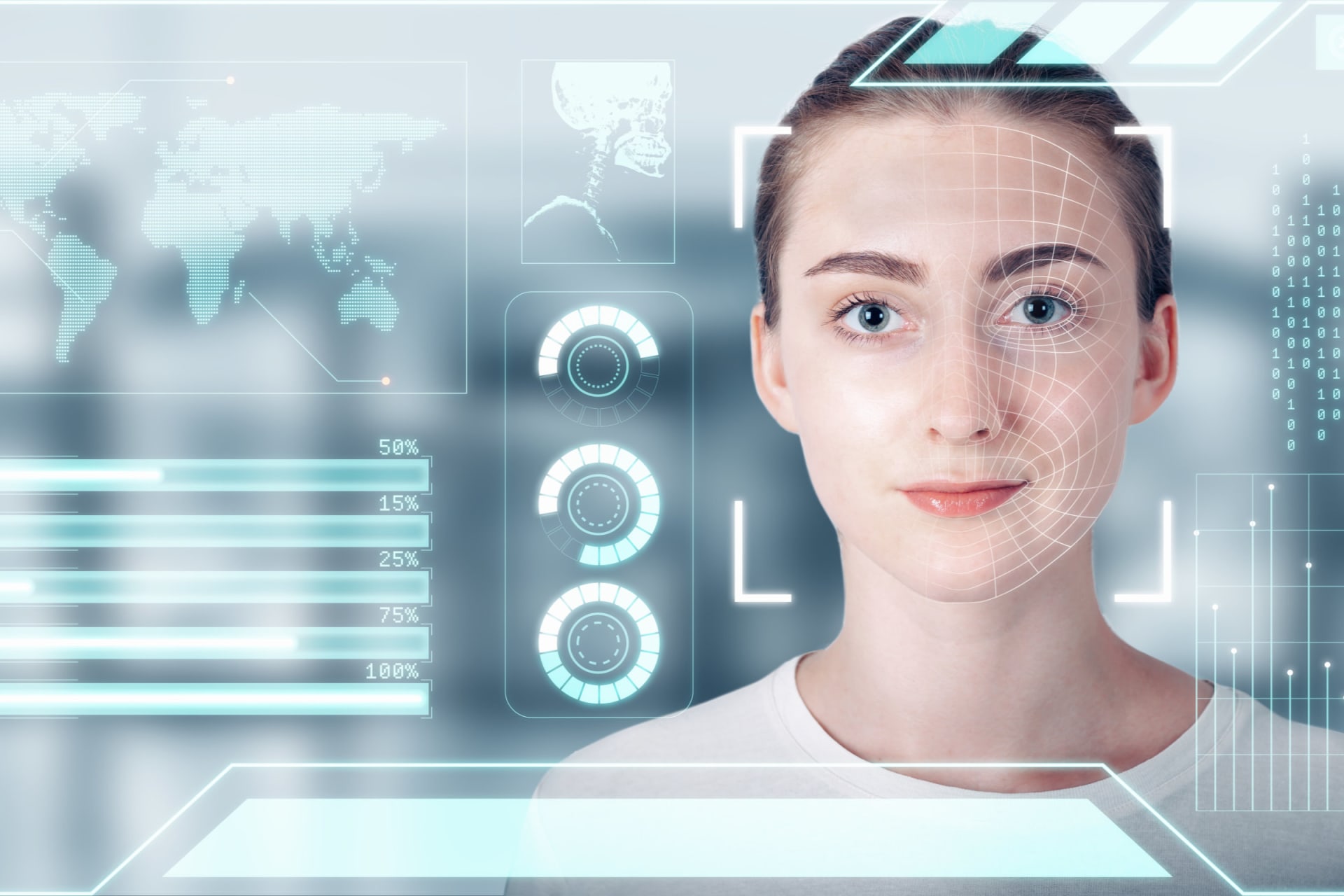
Oscar-winning actress Cate Blanchett has introduced a new tool at the European Parliament aimed at giving individuals control over how their likeness is used by artificial intelligence systems. This initiative addresses ongoing concerns about AI models that use people’s identities or creative work without their consent. Many creators, including authors, composers, and writers, have raised objections and taken legal action against technology companies, demanding new regulations to protect their rights.
The tool, called the “Human Consent Registry,” allows individuals to specify if and under what conditions AI companies can use their image or identity. Users can indicate whether they grant permission, require to be asked first, or expect compensation before their likeness is used. This information is then converted into a machine-readable format, which AI systems can theoretically access to respect these preferences. However, the registry is currently voluntary, meaning AI companies must choose to comply with the stated preferences.
Blanchett emphasized that the registry is a starting point rather than a complete solution. She highlighted the importance of consent as a moral issue, not just a technical one, and praised the European Union’s AI Act for balancing innovation with individual rights. The registry could eventually support binding laws by providing evidence that regulators might use to enforce compliance. While the EU already requires AI companies to respect requests not to use creative works for training, the registry aims to extend these protections to personal likenesses as well.
The legal landscape around personal identity protection in AI is complex, involving privacy laws, platform regulations, and copyright rules that traditionally protect artistic works rather than faces or voices. Some EU member states, like Denmark and Cyprus, are exploring national laws to give citizens control over AI-generated deepfakes. Meanwhile, the European Commission is developing legislation to regulate how creative works can be licensed to AI companies, acknowledging the challenges performers face with AI-generated impersonations. The Human Consent Registry could become an important tool in this evolving framework.