Facebook prompt will encourage ad tracking opt-in ahead of Apple’s privacy push
Facebook is facing a privacy reckoning, thanks to Apple. Facebook will start showing the prompt globally today, prior to Apple’s early spring update.

Facebook is facing a privacy reckoning, thanks to Apple. Facebook will start showing the prompt globally today, prior to Apple’s early spring update.

Robotic police officers are a rare novelty right now, but as law enforcement agencies across the world buy them, they’re quickly becoming normalized.
You can now toggle IDFA sharing on a by-app basis at any time, where previously it was a single toggle. If you turn off the “Allow apps to request to track” setting altogether no apps can even ask you to use tracking.
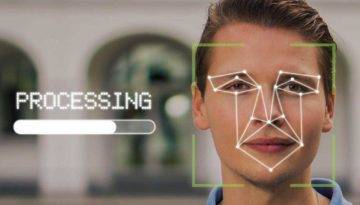
An online tool targets only a small slice of what’s out there, but may open some eyes to how widely artificial intelligence research fed on personal images.

Tim Cook criticized app-tracking tools that he said turn consumers into an advertising product a day after Mark Zuckerberg accused Apple of using its platform to interfere with how Facebook apps work.
The Council of Europe has published guidelines to avoid what it terms significant risks to privacy and data protection posed by the increasing use of facial recognition technology.
spot-checks by the Washington Post found that more than half the apps they reviewed were either misleading or completely false
The emergence of free, powerful, and easy-to-use deepfake applications has given rise to a new, viable attack vector.
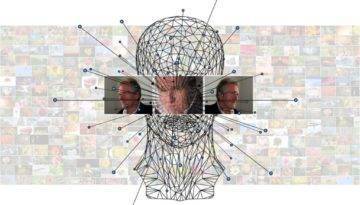
More than a dozen cities have passed facial recognition bans in the past couple of years, but police say there are loopholes.
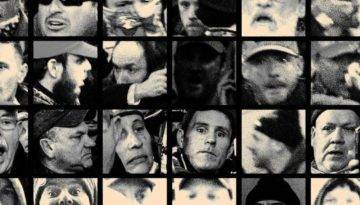
Faces of the Riot used open source software to detect, extract, and deduplicate every face from the 827 videos taken from the insurrection on January 6.

Researchers have developed a new tool that can collect information from electronic health records without disclosing sensitive patient information.

Tests show advertisers can expect at least 95% of conversions per dollar spent on ads, compared to cookie-based advertising, Google said.