The CBP Used COVID As An Excuse To Install Facial Recognition At 76 Airports
A recent DHS report titled the “CBP Trade and Travel Report” reads like an instruction manual on how to exploit the public’s fear of COVID.


A recent DHS report titled the “CBP Trade and Travel Report” reads like an instruction manual on how to exploit the public’s fear of COVID.

Genetic testing company with 10 million customers’ data has ‘huge cybersecurity implications’

Pinellas Sheriff Bob Gualtieri said the attacker tried to raise levels of sodium hydroxide, also known as lye, by a factor of more than 100.
Over 4,500 data breaches have been made public since 2005, and 45% of Americans have had their personal information exposed in a data breach in the last five years.

20% of home workers admit to printing confidential employee info including payroll, addresses and medical information.
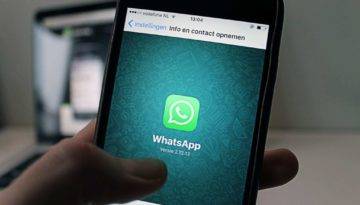
Technical analyses by Citizen Lab and Motherboard found links between a fake version of WhatsApp and Cy4Gate, an Italian surveillance firm that works with cops and intelligence agencies.

Personal information of a large number of people who participated in the Netherlands’ coronavirus track-and-trace programme has been leaked, the Dutch health authorities (GGD) said.

The Information Commissioner and Privacy Commissioner in Australia, Angelene Falk, has found the Department of Home Affairs interfered with the privacy of 9,251 asylum seekers by mistakenly releasing their personal information.

Chinese technology has faced many allegations of improper use of data, and this appears to extend to the medical information of US citizens, it is claimed.
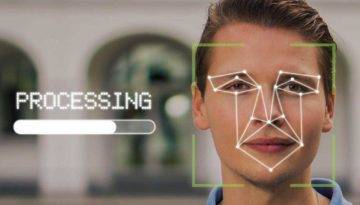
The emergence of free, powerful, and easy-to-use deepfake applications has given rise to a new, viable attack vector.

Researchers have developed a new tool that can collect information from electronic health records without disclosing sensitive patient information.
Four European apps which secure user data via end-to-end encryption, ProtonMail, Threema, Tresorit and Tutanota, have issued a joint-statement warning over recent moves by EU institutions that they say are setting lawmakers on a dangerous path to backdooring encryption.