FBI used facial recognition to identify a Capitol rioter from Instagram posts
Facial recognition is helping the feds track down Capitol suspects

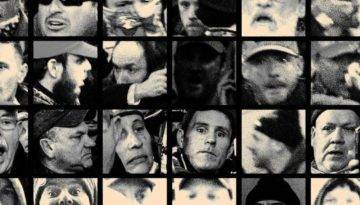
Facial recognition is helping the feds track down Capitol suspects

The law enforcement arm of the U.S. Postal Service has been quietly running a program that tracks and collects Americans’ social media posts, including those about planned protests.

The European Commission published its Proposal for a Regulation on a European approach for Artificial Intelligence. The Proposal follows a public consultation on the Commission’s white paper on AI published in February 2020.

Apps that generate fake one-time emails can create just one more disruption to publisher first-party data and identity goals.
At issue is Facebook’s “content importer,” a feature that combs a user’s address book to find people they know who also use Facebook. Many social networks and communication apps offer some version of this as a sort of social lubricant. But Facebook’s contact import tool in particular has had a number of known problems, and supposed fixes, over the years.

Home secretary Priti Patel uses a conference organised by the National Society for the Prevention of Cruelty to Children (NSPCC) to warn that end-to-end encryption will severely erode the ability of tech companies to police illegal content, including child abuse and terrorism.

Health experts are urging EU policymakers and legislators to review the EU’s legal data protection framework, the GDPR, which is hampering the sharing of pseudonymised health data outside the EU and the European Economic Area (EEA).
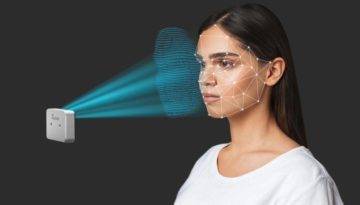
New analysis shows that facial recognition and other biometric authentication technologies will increasingly help to keep mobile payments safe from fraudsters.
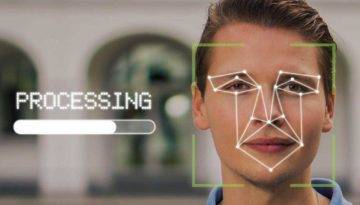
Obscuring your face does not hide you from facial recognition systems, researchers have found.
Facebook is to be sued in Europe over the major leak of user data that dates back to 2019 but which only came to light recently after information on more than 533 million accounts was found posted for free download on a hacker forum.

Facial recognition is increasingly used against Kremlin critics. But cameras have been off for suspected state-sanctioned attacks.

A judge has ruled that Google broke Australian law by misleading users about personal location data collected through Android mobile devices.