Data Privacy Laws in the U.S. Protect Profit but Prevent Sharing Data for Public Good
U.S. data protection laws often widely permit using data for profit but are more restrictive of socially beneficial uses.

U.S. data protection laws often widely permit using data for profit but are more restrictive of socially beneficial uses.
T-Mobile US Inc said on Friday an ongoing investigation into a data breach revealed that hackers accessed personal information of an additional 5.3 million customers, bringing the total number of people affected to more than 53 million.

Companies can access personal emails, social media accounts and instant messages.
Congress has failed to regulate tech, so states and cities are stepping in with their own approaches to food delivery apps, AI regulation and, yes, privacy. Tech doesn’t like what it sees.
The search giant revealed it received 20,932 geofence warrants in three years.

Hamburg DPA has officially warned the Senate Chancellery of the City of Hamburg regarding the use of the video conference solution from Zoom inc.
As the invalidation of the EU-U.S. Privacy Shield continues to cast uncertainty over data flows, the need for federal privacy legislation looms larger than ever.
China and the US have stepped up the pressure on their biggest tech companies.
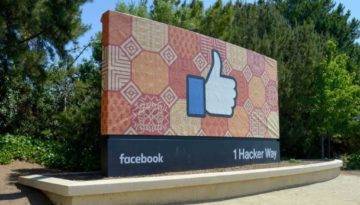
The Employees’ Retirement System of Rhode Island sues Facebook, Mark Zuckerberg over alleged financial losses due to data breach.
Settlement will pay up to $25 to paid Zoom subscribers covered by the class action litigation and up to $15 to individuals who aren’t eligible to submit a paid subscription claim.
For years, Americans have largely ignored corporate social media surveillance. But all of that is about to change, thanks to President Biden.
As negotiators work to find a Privacy Shield replacement, some say part of the solution lies within a federal privacy law.