Experian warns of facial recognition, synthetic ID fraud
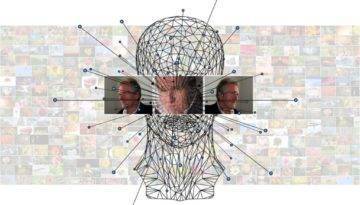
The widespread shift to e-commerce and touchless payments has escalated fraud risk, including the possibility of fraudsters combining altered photos with synthetic ID.


The widespread shift to e-commerce and touchless payments has escalated fraud risk, including the possibility of fraudsters combining altered photos with synthetic ID.
Google’s ‘Privacy Sandbox’ plan to remove third party cookies from its Chrome browser is being probed by a regulator in the United Kingdom over concerns it would be anticompetitive.

Tim Berners-Lee wants to put people in control of their personal data. He has technology and a start-up pursuing that goal. Can he succeed?
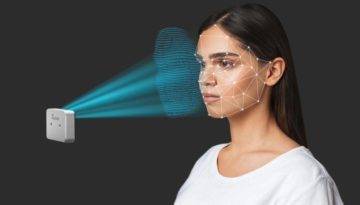
The system is designed to perform facial authentication on consumer-facing devices such as point-of-sale systems, ATMs and kiosks.

NEC developed the system in response to the coronavirus pandemic.
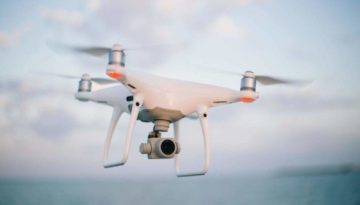
Alphabet Inc’s drone delivery unit Wing criticized Trump administration rules issued this week mandating broadcast-based remote identification of drones.

Looser privacy standards for vehicle data are a treasure chest of data for law enforcement.

Google is urging a federal judge to dismiss claims that it violated mobile users’ privacy by sending analytics data about their web activity to outside developers.

6.7 percent of U.S. residents over 18 wouldn’t have a problem finding out a home gadget is listening in on what’s going on inside their home.
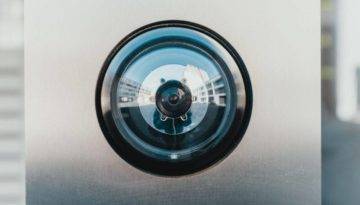
Hackers hijack home surveillance devices, to call police with a fake emergency, then watch the chaos unfold.

The game shut down on New Year’s Eve. But its legacy — for better and for worse — carries beyond gaming.
New York temporarily bans the use or purchase of facial recognition and other biometric identifying technology in public and private schools until at least July 1, 2022.