
The Future of AI Policy in the UK
UK’s AI Council – an independent government advisory body – published its AI Roadmap.
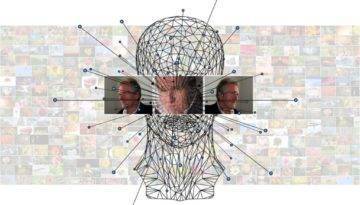
A legal challenge was heard today in Europe’s Court of Justice in relation to a controversial EU-funded research project using artificial intelligence for facial “lie detection” with the aim of speeding up immigration checks.
Google is exploring an alternative to Apple Inc.’s new anti-tracking feature, the latest sign that the internet industry is slowly embracing user privacy, according to people with knowledge of the matter.
Browser makers can and will use a carefully created and now freely shared list of companies that track your online activity.
Indian Institute of Science (IISc) researchers have figured out a way to turn a vast network of CCTV cameras into one massive surveillance network, which can target a specific vehicle or person.
Robotics technologies in the EU could come under the scope of new rules as part of a series of efforts to ensure the safety of next-generation technologies, it has emerged.
Facebook is facing a privacy reckoning, thanks to Apple. Facebook will start showing the prompt globally today, prior to Apple’s early spring update.
Robotic police officers are a rare novelty right now, but as law enforcement agencies across the world buy them, they’re quickly becoming normalized.
You can now toggle IDFA sharing on a by-app basis at any time, where previously it was a single toggle. If you turn off the “Allow apps to request to track” setting altogether no apps can even ask you to use tracking.
An online tool targets only a small slice of what’s out there, but may open some eyes to how widely artificial intelligence research fed on personal images.
Tim Cook criticized app-tracking tools that he said turn consumers into an advertising product a day after Mark Zuckerberg accused Apple of using its platform to interfere with how Facebook apps work.
The Council of Europe has published guidelines to avoid what it terms significant risks to privacy and data protection posed by the increasing use of facial recognition technology.