‘Privacy Protecting’ Car Location Data Seemingly Shows Where People Live, Work, and Go
Otonomo says its vehicle location data is privacy-protecting. The data itself says otherwise.


Otonomo says its vehicle location data is privacy-protecting. The data itself says otherwise.
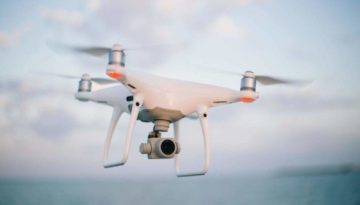
U.S. regulators have discovered it’s not enough to stop government agencies from buying Chinese-made drones – Chinese-made components may also be a source of malware.

Google informed app developers that beginning in late 2021, when Android 12 OS users opt out of personalized ads, the advertising ID provided by Google Play services will not be made available to app developers for any purpose.

2020 saw a sharp spike in the number of incidents involving vendors, which amounted to over 25 percent of the total incidents handled in 2020, and the trend is continuing well into 2021.
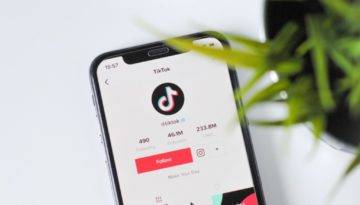
TikTok has updated its U.S. privacy policy to make clear that it might collect your biometric information, but none of this really changes anything.
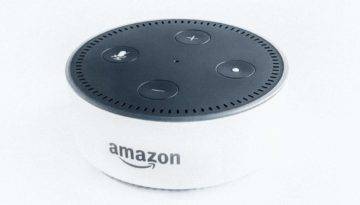
A new Amazon feature is set to start sharing people’s internet connections – unless they opt out within the next week.

Using cutting-edge technology, I-Familia can help police close cold cases and families to rebuild their lives.
TikTok, the Chinese-owned video-sharing app, was given one month by European Union regulators and consumer protection watchdogs to address concerns over the safety of children’s data on the platform.

Investors and activists are presenting Alphabet, Amazon, Facebook, and Twitter with a list of shareholder resolutions this week.

Google reportedly made it harder to find Android privacy settings and even pressured phone makers into hiding settings.
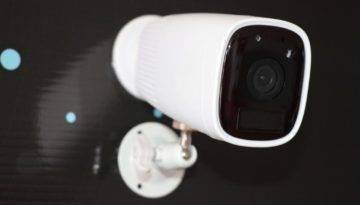
A recent report said that algorithmic systems typically used in monitoring the performance of warehouse workers have pervaded more and more industries.

Serious questions remain about the firm’s clientele, and how they use the information provided.