EU Extends UK GDPR Adequacy Decision for Six More Years
The EU extended the UK’s GDPR adequacy decision for six years, ensuring continued free and safe data transfers until 2031 with a review in four years.


The EU extended the UK’s GDPR adequacy decision for six years, ensuring continued free and safe data transfers until 2031 with a review in four years.

The EDPB recommends e-commerce sites offer guest checkout to protect user privacy, allowing mandatory accounts only for specific services under GDPR rules.

The EFTA Court ruled that dismissing a data protection officer without just cause is allowed under GDPR if unrelated to their duties and national law remedies unlawful dismissal.

Slovenian investigative newsroom Oštro faces legal pressure using GDPR complaints by officials to silence scrutiny of public officials’ asset transparency.
The EU court ruled that websites hosting user content must actively protect user privacy and comply with GDPR, including for anonymous users, or face heavy fines.
The EU Commission proposes GDPR reforms to ease business rules and simplify cookie consent while maintaining strong privacy protections for European citizens.
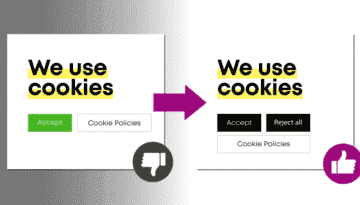
The EU Digital Omnibus complicates consent management for publishers, risking lower consent rates and favoring big tech with closed ecosystems.
Regulation (EU) 2025/2518 sets new procedural rules to enhance cooperation and efficiency in enforcing GDPR across EU member states in cross-border cases.

The European Commission seeks more information from Ireland on the appointment of Niamh Sweeney as Data Protection Commissioner amid concerns over independence and conflicts of interest.

A Madrid court orders Meta to pay 481 million euros for GDPR violations harming Spanish media by exploiting user data for advertising.

The EU’s new digital package simplifies AI, data, and cybersecurity rules and introduces a European Business Wallet to reduce administrative costs and boost business innovation.

The Court confirmed unsolicited newsletters promoting paid services fall under e-Privacy Directive’s direct marketing rules, overriding GDPR’s general lawfulness conditions.