EDPB Publishes Guidelines on GDPR Data Transfers to Non-European Authorities
EDPB issued guidelines on GDPR Article 48 for data transfers to third country authorities and approved a new European Data Protection Seal.


EDPB issued guidelines on GDPR Article 48 for data transfers to third country authorities and approved a new European Data Protection Seal.

noyb has received Qualified Entity status in Austria and Ireland, enabling it to initiate collective redress actions for GDPR violations across the EU.

EDPB adopts a statement on GDPR implementation, emphasizing legal clarity, educational resources, and the need for more support for data protection authorities.

Monaco adopts new data protection laws aligning with European standards, enhancing individual rights and establishing a new authority for personal data protection.

WhatsApp appeals a €225 million fine at the CJEU, challenging the EDPB’s decision over alleged GDPR violations related to user data transparency.

Meta faces a €550 million lawsuit in Spain for allegedly violating E.U. data protection laws by unlawfully collecting user data for targeted advertising.

The Irish DPC awaits EDPB guidance on its role in the AI Act, as it works to ensure GDPR compliance amid challenges from Big Tech companies.

X has resumed processing EU/EEA users’ posts for AI training, requiring users to opt out to protect their personal data.

The Federal Court of Justice ruled that Facebook must compensate a user for immaterial damages due to a data breach, emphasizing the significance of data control under GDPR.
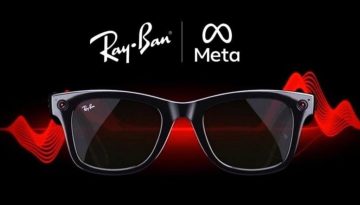
Meta Ray-Ban glasses spark debate over privacy and GDPR compliance in Europe, highlighting challenges in balancing innovation with consent and data protection.

Datatilsynet and Finanstilsynet invite banks to join a sandbox project to enhance data sharing solutions while ensuring compliance with privacy regulations.

The 2024 Privacy Governance Report reveals the expanding responsibilities of privacy professionals amid growing complexities in compliance and technology.