CJEU to Clarify Consent Under GDPR and ePrivacy Directive
The CJEU will clarify if broad consent for data use by “partners” in direct marketing meets GDPR and ePrivacy Directive requirements.


The CJEU will clarify if broad consent for data use by “partners” in direct marketing meets GDPR and ePrivacy Directive requirements.
he EU Parliament committee failed to approve a temporary extension for voluntary CSAM scanning, risking a legal gap before permanent rules are finalized.

The EDPB and EDPS provide a Joint Opinion on the Digital Omnibus Regulation, urging caution on GDPR changes while supporting simplification and stronger oversight.
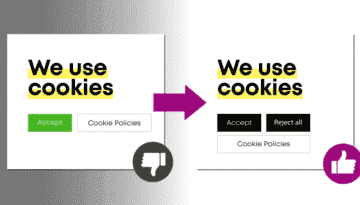
The EU Digital Omnibus complicates consent management for publishers, risking lower consent rates and favoring big tech with closed ecosystems.

The Court confirmed unsolicited newsletters promoting paid services fall under e-Privacy Directive’s direct marketing rules, overriding GDPR’s general lawfulness conditions.
EU’s Digital Omnibus consolidates data laws and streamlines incident reporting but proposes GDPR/ePrivacy changes that could materially lower privacy protections, drawing strong criticism.

The European Commission proposes simplifying cookie consent rules by revising the e-Privacy framework, prompting industry support and privacy-focused opposition ahead of new ad regulation.
EU plans to simplify cookie consent rules to reduce repetitive banners, propose browser-level preferences and possible GDPR alignment, drawing industry support and privacy concerns.

The EU has withdrawn its ePrivacy Regulation proposal amid stalled negotiations, leaving current rules in place and highlighting the Digital Services Act’s role in privacy protection.

IAB Europe and trade associations urge the EDPB to adopt a balanced approach to “Consent or Pay” models, emphasizing user choice and economic implications.

Hungarian presidency pushes for renewed review of e-Privacy directive and emphasizes telecom consolidation and green investments in the EU.
This report by noyb offers insights for companies implementing consent banners, highlighting the varying standards between the EDPB and national DPAs.