Facial Recognition: What Happens When We’re Tracked Everywhere We Go?
When a secretive start-up scraped the internet to build a facial-recognition tool, it tested a legal and ethical limit — and blew the future of privacy in America wide open.

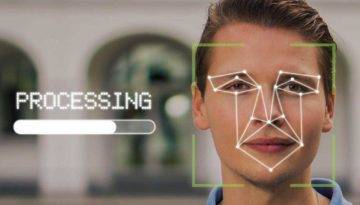
When a secretive start-up scraped the internet to build a facial-recognition tool, it tested a legal and ethical limit — and blew the future of privacy in America wide open.

15 billion car locations. Nearly any country on Earth. ‘The Ulysses Group’ is pitching a powerful surveillance technology to the U.S. government.

Backers see a way to reach the unbanked. But any system could give the government a record of every dollar you spend.

Parents are increasingly turning to parental control apps to keep their kids safe online – but are they actually safe? Not always.

The proposed federal bill would create protections for the processing of sensitive personal information.

As digital ad industry leaders tout tech that improves consumer transparency, they are doing little to update how they notify people for consent.

The great majority of EU justice ministers on March 15 once again called a new Europe-wide collection of traffic and location data of the entire population (data retention).

“We have identified youth work as a priority for Instagram and have added it to our H1 priority list,” reads an internal Instagram post obtained by BuzzFeed News.

The EUinstitutions will seek to agree the final text of the ePrivacy Regulation. This article sets out the significant areas of divergence across the three proposals.

However, EU lawmakers in Brussels doubt that the UK’s future data protection landscape will be fully aligned with EU data protection standards
The data protection activist wants to bring the dispute over explicit consent to data processing for advertising and tracking to the European Supreme Court.

Colorado has introduced the “Colorado Privacy Act”, noting that “EU GDPR is emerging as a model for countries across the globe in data privacy”.