Microsoft says a third of its government data requests have secrecy orders
The company’s customer security chief said Microsoft gets between 2,400 to 3,500 secrecy orders each year.

The company’s customer security chief said Microsoft gets between 2,400 to 3,500 secrecy orders each year.

The FBI, U.S. Park Police, and other agencies used the technology during the height of 2020’s protests, according to a new government watchdog report.

The Privacy and Civil Liberties Oversight Board spent more than six years scrutinizing the surveillance-related system, called XKeyscore. Its report is classified.

The case probably would have remained a mystery if Jared T. Vaughn had not voluntarily provided a sample of his DNA to a public genealogy database, according to police.
Just two months ago, data on 500 million LinkedIn users was scraped and posted online. Now someone’s selling a database with information on 700 million.
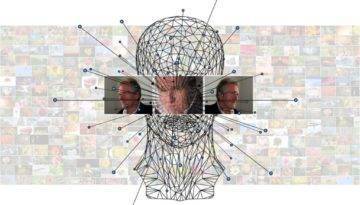
A bill touted as the country’s strictest statewide regulation on the use of facial recognition technology has become law in Maine.

European internet service providers can hand over the personal details of customers who are accused of illegally downloading content, the EU’s top court ruled.
LAPD officers “spread the word” for the startup, helping it gain market share.
The National Security Agency (NSA) has agreed to release records on the FBI’s improper spying on thousands of Americans.
Tech company NaviStone has defeated two privacy lawsuits in Pennsylvania and California over its tracking technology, which enables online retailers to send mail to online visitors’ postal addresses.

The National Institute of Standards and Technology wants to put a number on a person’s trust in artificial intelligence.
The use of Artificial Intelligence in law enforcement and the judiciary should be subject to strong safeguards and human oversight, says the Civil Liberties Committee.