Smartphones share our data every four and a half minutes
Research claims there is little difference between Apple and Google when it comes to collecting certain data.

Research claims there is little difference between Apple and Google when it comes to collecting certain data.

China enlisted surveillance firms to help draw up standards for mass facial recognition systems, researchers said, warning that an unusually heavy emphasis on tracking characteristics such as ethnicity created wide scope for abuse.

A grassroots coalition of Black youth, sex workers, and community advocates stood against the surveillance state—and won.

Earlier this week, Motherboard revealed the company’s cruel “take it or leave” demand to its 75,000 delivery drivers: submit to biometric surveillance or lose your job.

Ikea’s French subsidiary and several of its former executives went on trial Monday over accusations that they illegally spied on employees and customers.
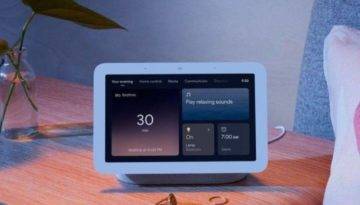
The new features have been criticised for collecting data when users are “most vulnerable”.
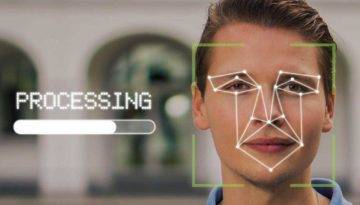
When a secretive start-up scraped the internet to build a facial-recognition tool, it tested a legal and ethical limit — and blew the future of privacy in America wide open.

15 billion car locations. Nearly any country on Earth. ‘The Ulysses Group’ is pitching a powerful surveillance technology to the U.S. government.

Backers see a way to reach the unbanked. But any system could give the government a record of every dollar you spend.
They want to keep tracking iPhone users with solution created by state-backed group.
Google clarified its plans for targeted advertising as it phases out the use of browser cookies from Chrome.
“We believe that each and every customer paying for your internet service has the right to determine how their personal data will be used, on an opt-in basis,” Mozilla, the Internet Society, PublicKnowledge and others said in an open letter to the CEOs of T-Mobile AT&T and Verizon.