This AI Helps Police Monitor Social Media. Does It Go Too Far?
Law enforcement officials say the tool can help them combat misinformation. Civil liberties advocates say it can be used for mass surveillance.

Law enforcement officials say the tool can help them combat misinformation. Civil liberties advocates say it can be used for mass surveillance.
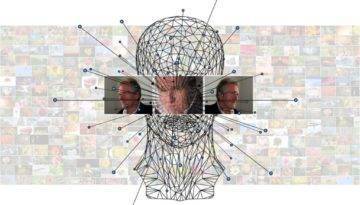
Hackers are pioneering new ways of tricking facial-recognition systems, from cutting the eyes out of photos to making a portrait ‘nod’ with AI.

Advertisers have begun shifting their spending patterns in the months since Apple began requiring apps to gain iPhone and iPad users’ permission to track them.

Europe’s tech chief Margrethe Vestager on Friday warned iPhone maker Apple against using privacy and security concerns to fend off competition on its App Store.

Proofpoint researchers found a new threat enticing users to download malware by masquerading as a “Privacy Tools” service offering a tool that “encrypts” user data using a zip-like utility.

After checking the 1.000 websites with the highest traffic in France, and with several sanctioning procedures already launched, the French DPA CNIL (Commission nationale de l’informatique et des libertés) announced a continuation of the program in the next months.

The companies revealed upgrades for their phones that protect data and reduce reliance on the cloud. It also binds users more tightly to their ecosystems.
ID.me’s CEO says unemployment fraud is costing taxpayers $400 billion, but his own company is denying claims because of problems with its tech, users say.
German government organisations have until the end of the year to close their Facebook pages after the data protection commissioner found the social network had failed to change its practices to comply with German and European privacy laws.

The case probably would have remained a mystery if Jared T. Vaughn had not voluntarily provided a sample of his DNA to a public genealogy database, according to police.
A bill touted as the country’s strictest statewide regulation on the use of facial recognition technology has become law in Maine.

Tech company NaviStone has defeated two privacy lawsuits in Pennsylvania and California over its tracking technology, which enables online retailers to send mail to online visitors’ postal addresses.