A patent shows how surveillance drones could ID you from above
An Israeli biometrics startup with a history of defense contracts has applied for a patent on technology that repositions drones to get a better shot of a person on the ground.


An Israeli biometrics startup with a history of defense contracts has applied for a patent on technology that repositions drones to get a better shot of a person on the ground.

Invisible pixels used to track email activity are now an “endemic” issue that breaches our privacy, analysts suggest. Critics suggest the practice is marketing gone too far.
Los Angeles Police Department (LAPD) sent at least one request—and likely many more—for Amazon Ring camera video of last summer’s Black-led protests against police violence.
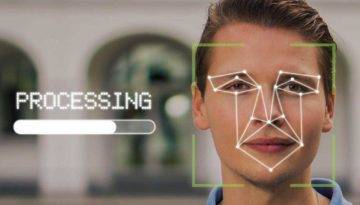
Reports from other protesters who have attend rallies in recent weeks in support of jailed opposition politician Alexei Navalny also indicate police are using facial recognition technology to make preventive arrests and detentions.

Due to an oversight during our enforcement process, 25 apps containing the X-Mode SDK were not removed from Google Play after the developers were given a 7-day warning.
Google is looking to develop an anti—tracking feature for Android similar to the one Apple is rolling out with iOS 14.5, according to Bloomberg.

Facebook is facing a second London High Court class action over allegations it failed to protect the personal details of about one million people in England and Wales, in the latest lawsuit to spring from a scandal over data harvesting.

A recent DHS report titled the “CBP Trade and Travel Report” reads like an instruction manual on how to exploit the public’s fear of COVID.
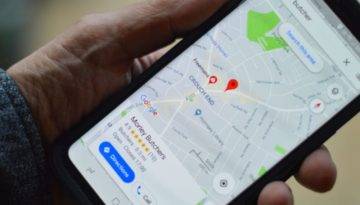
Civil liberties groups have criticized the use of these dragnet search warrants.

Google is exploring an alternative to Apple Inc.’s new anti-tracking feature, the latest sign that the internet industry is slowly embracing user privacy, according to people with knowledge of the matter.

The constitutional court banned the South African state from bulk surveillance of online communication, preventing security agencies from hoovering up Internet data.

Browser makers can and will use a carefully created and now freely shared list of companies that track your online activity.