
Face Search Engine PimEyes Blocks Searches of Children’s Faces
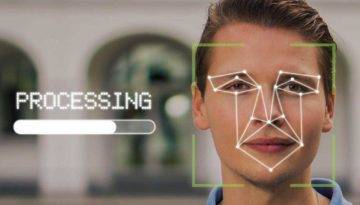
PimEyes, a public face search engine, has implemented measures to block searches of children’s faces in response to privacy concerns.
The Greek Data Protection Authority is set to decide on the legality of AI and biometric surveillance systems in the country’s refugee camps, a decision that could impact the use of such systems in migration management globally.
The Metropolitan Police Service’s Connect system encountered data protection issues and search functionality weaknesses.
The article discusses the complex legal and ethical issues arising from the creation and use of synthetic data, emphasizing the need for robust guidelines to maintain privacy and integrity while exploiting its potential benefits.
As the number of security cameras installed across the Netherlands continues to surge, concerns about their impact on public privacy are intensifying.
Prime Minister Rishi Sunak has unveiled sweeping measures to safeguard the nation’s security.
European Parliament will vote on a proposed amendment to Article 5 of the Artificial Intelligence Act, which seeks to bar the use of live facial recognition technology on public streets.
Ministers say exceptional security needed but rights groups warn new law could extend police powers permanently.
OECD countries adopted the first agreement on safeguarding privacy when accessing personal data for national security and law enforcement purposes.
European Commission wears ‘velvet gloves’ when dealing with spyware used on citizens, says chief of inquiry on hacking software such as Pegasus.
Facial recognition cameras have scanned the faces of more than 125,000 people in London in a little over a year, but resulted in just nine arrrests.
Study says deployment of technology in public by Met and South Wales police failed to meet standards.