EU Publishers Criticize Digital Omnibus for GDPR Consent Challenges
The EU Digital Omnibus complicates consent management for publishers, risking lower consent rates and favoring big tech with closed ecosystems.

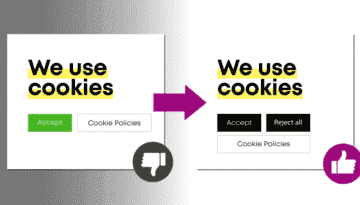
The EU Digital Omnibus complicates consent management for publishers, risking lower consent rates and favoring big tech with closed ecosystems.

Regulation (EU) 2025/2518 sets new procedural rules to enhance cooperation and efficiency in enforcing GDPR across EU member states in cross-border cases.

The European Commission seeks more information from Ireland on the appointment of Niamh Sweeney as Data Protection Commissioner amid concerns over independence and conflicts of interest.

A Madrid court orders Meta to pay 481 million euros for GDPR violations harming Spanish media by exploiting user data for advertising.

The EU’s new digital package simplifies AI, data, and cybersecurity rules and introduces a European Business Wallet to reduce administrative costs and boost business innovation.

The Court confirmed unsolicited newsletters promoting paid services fall under e-Privacy Directive’s direct marketing rules, overriding GDPR’s general lawfulness conditions.
The Council approved new rules to speed up and harmonize cross-border GDPR complaints, with uniform criteria, clear procedures, and strict investigation deadlines.
EU’s Digital Omnibus consolidates data laws and streamlines incident reporting but proposes GDPR/ePrivacy changes that could materially lower privacy protections, drawing strong criticism.

The EDPB invites public input to develop practical GDPR compliance templates, including DPIA and breach notification forms, by December 3, 2025.

The EU Parliament’s LIBE Committee approved a proposal to expand Europol’s biometric data processing, sparking privacy concerns ahead of the full plenary vote.

The EDPB supports the EU-Brazil data adequacy decision but requests clarifications on DPIAs, transparency, law enforcement data use, and national security definitions.

Over 30 privacy authorities will review child-focused websites and apps Nov 3–7, 2025, checking data collection, transparency, age assurance, and privacy safeguards under data protection rules.