Mexico requiring biometric data for cellphone users is a gift to criminals
. In addition to asking for a copy of an ID, telecoms will now be required to collect people’s fingerprints, faceprints, and home addresses.

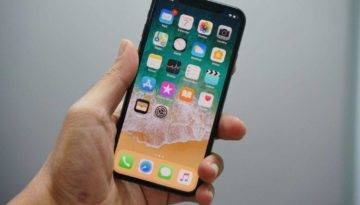
. In addition to asking for a copy of an ID, telecoms will now be required to collect people’s fingerprints, faceprints, and home addresses.

Apple’s new guidelines prohibit manufacturing partners from collecting biometric data such as fingerprints or facial scans of Apple employees who visit their facilities.
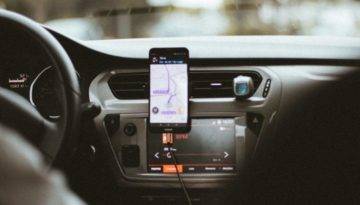
Uber’s use of facial recognition technology for a driver identity system is being challenged in the U.K., where the App Drivers & Couriers Union (ADCU) and Worker Info Exchange (WIE) have called for Microsoft to suspend the ride-hailing giant’s use of B2B facial recognition.

Earlier this week, Motherboard revealed the company’s cruel “take it or leave” demand to its 75,000 delivery drivers: submit to biometric surveillance or lose your job.
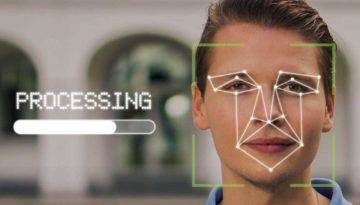
Technology and immigration advocacy organizations and other researchers are again calling for Customs and Border Protection to put the brakes on the planned expansion of its biometric entry-exit program.
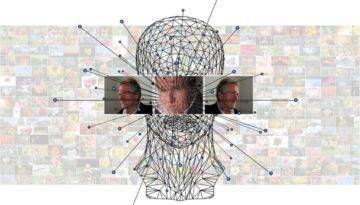
The rollout includes a free-to-use app that will combine customers’ personal data and biometrics to create a secure, reusable ID on their phone.

Greece is planning to implement a biometric border management system that will record all crossings at ports, airports and border check points.

TikTok’s parent company ByteDance has agreed to pay 92 million dollars in a settlementin a class-action lawsuit alleging the app failed to gain their consent to collect data in violation of a strict Illinois privacy law.
Genetic testing company with 10 million customers’ data has ‘huge cybersecurity implications’
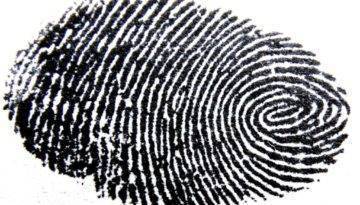
Court ruled that the inclusion of digital fingerprints on ID cards does not violate the fundamental right to respect for private life, thereby providing clarity on a heavily criticized matter and setting an important precedent.

Huawei has worked with dozens of security contractors to develop surveillance products for China’s police.
A recent study discusses how DNA information from a cup of coffee or postage stamp can be extracted and how to protect genomic information against re-identification.